This is guest post from Max Joshua, Director of Strategic Partnerships at Earth Fire Alliance.
Last week, I had the privilege of joining Conservation X Labs at the Oakland Museum of California for the finale of the Fire Grand Challenge — a program implementing localized yet scalable solutions for the accelerating wildfire crisis across Western North America.
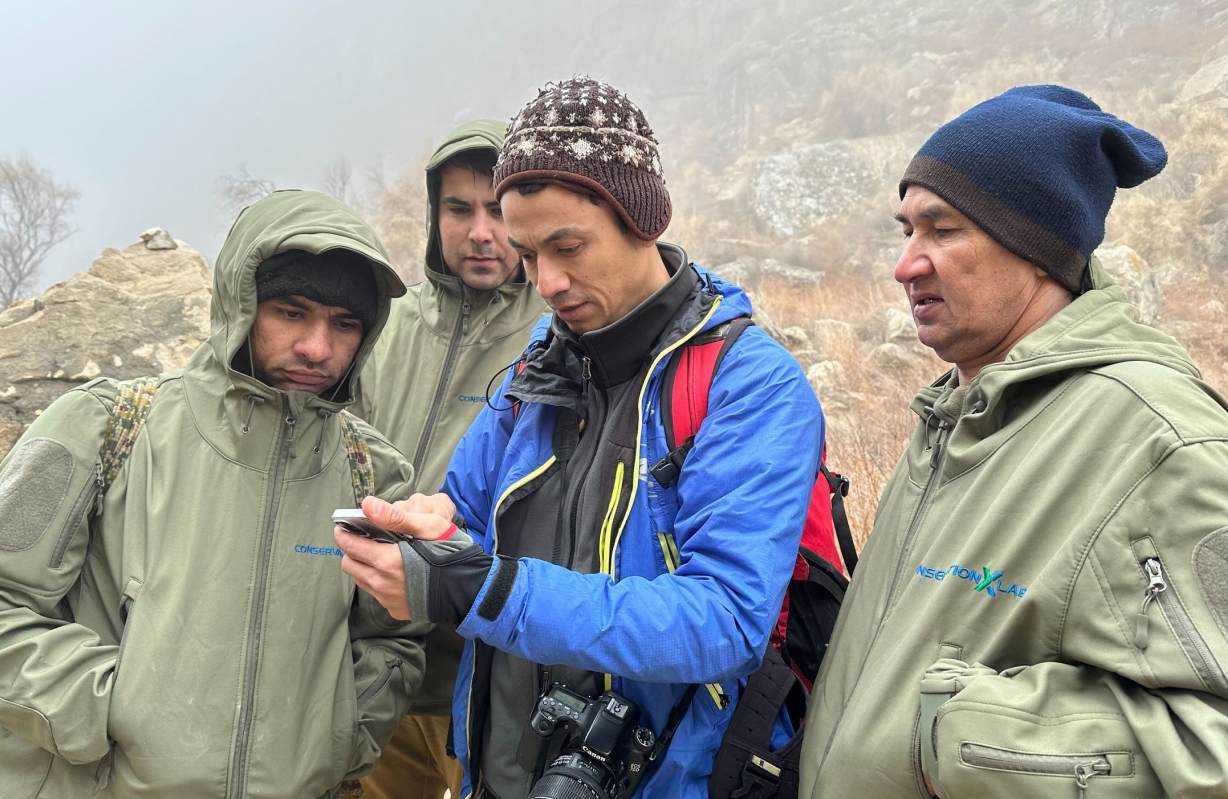
Over the winter break, I served as a reviewer for three of the twelve finalist teams. The focus of this challenge was "technology in service of land and people," empowering local — mostly Indigenous — communities to steward their land with the latest tools alongside the Traditional Ecological Knowledge (TEK) that has managed these landscapes effectively for centuries.
Meeting the teams and organizers in person was an inspiring experience. As we explored the future of fire management, four inescapable themes stood out to me:
...and that’s what makes it so hard! Progress in this space can only move at the "speed of trust," a sentiment echoed by the Indigenous Futures Society and others throughout the summit. This is why co-development with local decision-makers is so powerful — not only for the initial design of a technology, but especially for its rollout and integration into existing practices.
Instead of trying to transform Indigenous knowledge and stories into “modern” data points for external consumption, the aim must be to provide multiple inputs — modern data plus TEK— to local decision-makers. This allows communities to make choices based on highly contextual place-based knowledge, supported by the best current data from new technologies like satellites, drones, and sensors.
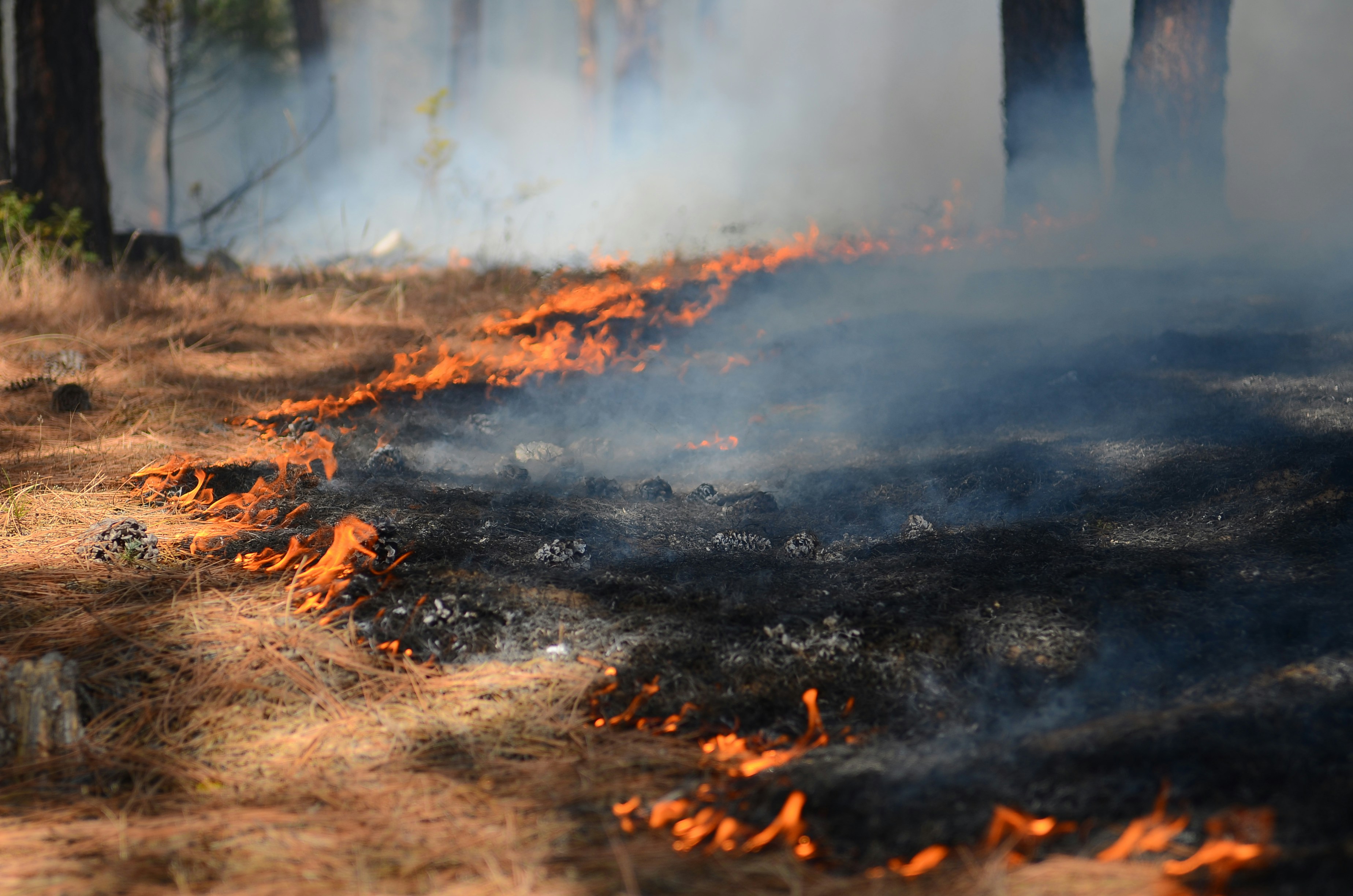
A phrase I heard repeatedly from participants, including Envisioning Labs, Charlotte Zoe Smith, and the Kalispel Tribe of Indians, was: “We can’t scale beneficial fire because we can’t prove containment.” Red tape is stifling prescribed and cultural burns in many jurisdictions, which deprives communities in fire-adapted landscapes of their most powerful stewardship tool to reduce the risk of devastating megafires. Technologies that can help assure or prove the containment of beneficial fires could be transformative for unblocking better locally-led land management in such regions, and for underpinning indigenous communities’ long-held right to conduct cultural burns.
Beyond stewardship, technology can also empower remote and Indigenous communities by equipping them with their own dedicated first-responder capabilities. For example, FireSwarm Solutions Inc. and the Cheslatta Carrier Nation provided a tribal community with three dedicated drones for fire suppression and detection in a remote area far from existing airborne assets. Capabilities like these can create a critical safety net for communities in under-served remote areas.
As Paul Bunje said during the summit,“there is no silver bullet, only silver buckshot.” No single technology will solve the wildfire crisis, nor will technology alone. However, when we combine placed-based indigenous knowledge with the latest technology and put stewardship decisions in the hands of local decision-makers, we can begin to rewrite — and perhaps even heal — our relationship with fire.
It was an honor to support this summit, and I look forward to seeing more local communities integrating andbenefitting from the finalists’ solutions for fire stewardship and suppression.
Max Joshua is the Director of Strategic Partnerships at Earth Fire Alliance and served as an expert reviewer for the Fire Grand Challenge.